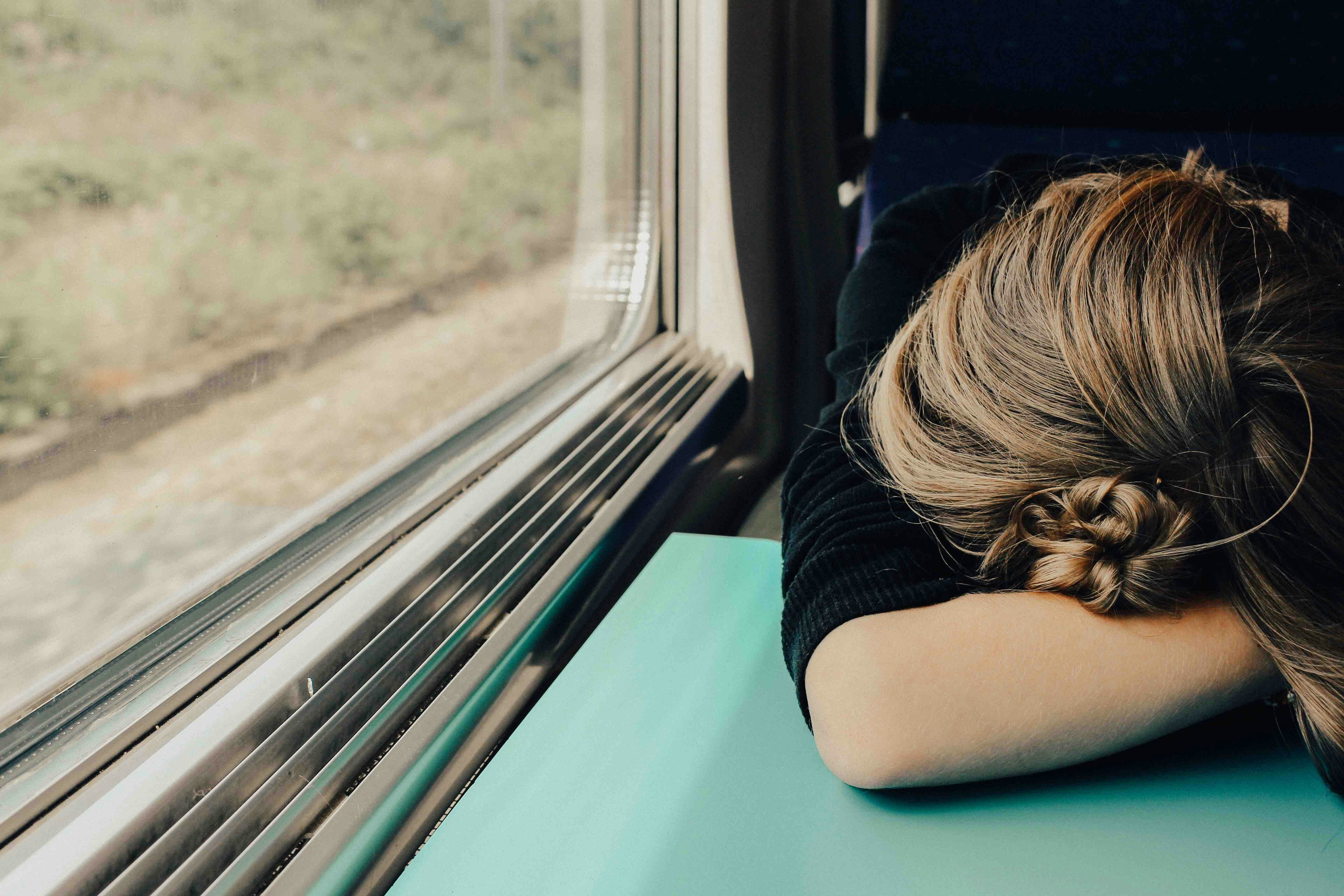
I haven't slept through the night since 2019. Not once. My twins are 7 now, and someone still wakes me up most nights. A nightmare, a glass of water, a "my tummy hurts" that turns out to be nothing. Before that, it was night feedings every three hours for 10 months.
So when I say I understand the sleep deprivation that comes with parenting, I'm not being empathetic from a distance. I'm writing this on approximately 5.5 hours of interrupted sleep, same as most nights.
What I've learned, both from research and from living it, is that chasing 8 uninterrupted hours is a waste of time right now. What you can do is make the sleep you do get significantly better. The difference between 6 hours of deep, quality sleep and 6 hours of tossing around in a hot, bright room is massive. It's the difference between functioning and barely surviving.
A 2015 study in Sleep Medicine Reviews found that sleep quality matters more than sleep quantity for next-day functioning. People who slept 6 hours of deep sleep performed better cognitively than those who slept 8 hours of fragmented, light sleep. For parents, that's the game: better quality, not more hours.
Fix your room first (this is where most parents are losing sleep)
I did a sleep overhaul in my own bedroom about two years ago, and the impact surprised me. Three changes made the biggest difference, in order of importance: darkness, noise, and temperature. Everything else is secondary.
Light is the biggest problem. I used to wake up at 5:15 AM because Florida sunrise came through our blinds. I was losing almost an hour of sleep every morning. When I finally installed blackout curtains, I started sleeping until my alarm went off. That alone was worth more than any supplement or app.
NICETOWN Blackout Curtains (2 Panels)
Price: ~$30-40 | Complete darkness = better melatonin production. These block 99% of light. Thermal insulated (saves energy too). Easy to install, machine washable. Even streetlights and early sunrise won't wake you. This is the #1 sleep upgrade most people need.
View on AmazonHatch Restore 3 Sound Machine + Sunrise Alarm
Price: ~$170 | White noise blocks kid sounds, dog barks, traffic. Sunrise alarm wakes you naturally (no jarring phone alarm). App-controlled, tons of sound options. Works as night light for midnight bathroom trips. Investment-level quality that actually improves sleep.
View on AmazonBudget alternative: Basic white noise machine (~$25) + cheap sunrise alarm (~$30) = similar results for $55 total.
Cooling Gel Memory Foam Pillow (2-pack)
Price: ~$50 | Overheating ruins sleep. Gel-infused foam stays cool. Supports neck properly (reduces morning headaches). Hypoallergenic cover, washable. Get two--one for you, one for your partner. Bad pillows = bad sleep.
View on AmazonThe routine I actually follow (not the ideal one)
Every sleep article gives you this perfect wind-down routine: meditate for 20 minutes, take a warm bath, journal your feelings, drink chamomile tea in candlelight. I've never done that. Not once. By the time my kids are in bed, I have maybe 90 minutes before I need to sleep, and I'm not spending them journaling.
Here's what I actually do, and what I tell my clients to try:
About an hour before bed, I dim the lights in the main rooms. Not because I read about it in a wellness blog, but because I noticed I sleep better when I do. There's real science behind this: dim light triggers melatonin production, and our bright overhead kitchen lights were basically telling my brain it was noon.
I put my phone on Do Not Disturb and set the coffee maker. That second part sounds silly, but it removes one decision from the morning. When you're sleep-deprived, every small decision uses cognitive resources you don't have.
About 30 minutes before bed, I do a quick shower (the body temperature drop afterward actually helps trigger sleepiness, per research from the University of Texas). Then I read fiction on my Kindle. Not my phone, not the news, not work emails. Fiction. Something that lets my brain wander instead of plan.
If my mind is racing (which happens a few times a week), I write tomorrow's to-do list on a notepad by my bed. Getting the tasks out of my head and onto paper is the single most effective thing I do for racing thoughts. A Baylor University study found that writing a to-do list before bed helped people fall asleep 9 minutes faster than journaling about completed tasks.
Blue Light Blocking Glasses
Price: ~$40 | If you use screens at night (phone, TV, computer), wear these. Blue light suppresses melatonin. These glasses filter it out. Wear starting 2 hours before bed. Cheap, effective, noticeable difference.
View on AmazonMy honest take on sleep supplements
I get asked about sleep supplements constantly. Most of what's sold at CVS is garbage. Here's what I actually recommend to clients, and what I take myself.
Magnesium glycinate, 400mg, about an hour before bed. This is the one supplement I recommend to almost every client with sleep issues. Magnesium relaxes muscles and calms the nervous system. The glycinate form absorbs well and doesn't cause the digestive issues that magnesium citrate does. I've been taking it nightly for about 18 months and I notice a difference when I forget it. It's not dramatic, but the quality of my sleep is measurably better.
Melatonin, but at the right dose. Here's where most people go wrong: they buy 10mg gummies because more must be better, right? No. Research suggests 0.5-3mg is the effective range. Higher doses can actually make sleep worse and leave you groggy. I use 1mg about 30 minutes before bed, and only on nights when my schedule is off (travel, staying up late, etc.), not every night.
What I tell clients to skip: those "proprietary sleep blends" with 15 ingredients that cost $40 a bottle. Valerian root (smells like feet, and the evidence is inconsistent). Any supplement that promises to "transform your sleep." Nothing transforms your sleep except actually sleeping in a dark, cool, quiet room.
Doctor's Best High Absorption Magnesium (200 tablets)
Price: ~$20 | Glycinate form = highly absorbable, no digestive issues. 400mg per serving. Take 1-2 hours before bed. Non-drowsy, just helps you relax. This is the magnesium form sleep researchers recommend.
View on AmazonWhy you keep waking up at 3 AM (it might be your thermostat)
The National Sleep Foundation recommends 60-67°F for sleeping. I know that sounds cold. But your body needs to drop its core temperature by about 2-3 degrees to initiate deep sleep. If your bedroom is 74°F (which is where most people in Florida keep their AC), you're fighting your own biology.
We keep our bedroom at 68°F at night. It took some adjustment, and my husband complained for a week, but we both sleep better. In the summer, I also run a fan for air circulation. The white noise is a bonus.
Quiet Tower Fan
Price: ~$80 | Powerful, quiet, moves air efficiently. Adjustable speeds, timer function. Cools room + provides white noise. Energy efficient. Better than running AC all night. Fits in corner, doesn't take floor space.
View on AmazonWhen your brain won't shut up at 2 AM
This is my worst sleep problem, and it's the one I hear about most from other parents. You're lying there and your brain decides it's time to replay that awkward thing you said at school pickup, plan next week's schedule, and worry about whether your kid is reading at grade level. All at once.
The most effective technique I've found (and that has actual research behind it) is called 4-7-8 breathing: inhale for 4 counts, hold for 7, exhale slowly for 8. Repeat four times. It activates your parasympathetic nervous system, which is the "calm down" branch. It feels stupid the first time you do it. By the third cycle, your heart rate has actually slowed.
Another thing that works for me: I mentally walk through my house room by room, picturing every detail. What's on the nightstand, what's hanging on the wall, the color of the curtains. It sounds weird, but it occupies the visual part of your brain enough to stop the thought spiral. I usually fall asleep somewhere around the kids' bathroom.
Manta Sleep Mask (100% Blackout)
Price: ~$40 | For shift workers, partners with different schedules, or if blackout curtains aren't enough. Cups over eyes (no pressure), adjustable strap, blocks 100% light. Comfortable enough to sleep in all night.
View on AmazonA note about sleep trackers
I wore an Apple Watch that tracked my sleep for about three months. It was useful for exactly two weeks. I learned that I was getting less deep sleep than I thought, and that I was waking up more often than I realized. Good information. But then I started obsessing over my "sleep score" every morning, which made me anxious about sleep, which made my sleep worse. Researchers call this "orthosomnia," and it's a real phenomenon. I took the watch off at night and slept better.
My advice: wear a tracker for a week or two to spot patterns. Then stop looking at the data every day. The awareness is useful. The daily grade is not.
When the kids wake you up (because they will)
I can't prevent my 7-year-old from appearing at my bedside at 2 AM because she had a dream about spiders. What I can control is how quickly I fall back asleep afterward.
The biggest thing: do not look at your phone. I know the temptation. You're awake, might as well check the time, maybe see if anyone texted... and now your brain is lit up and you're reading Instagram stories at 2:17 AM. Keep the phone face-down or in another room.
Keep a red or amber nightlight in the hallway so you can handle kid needs without turning on overhead lights. Regular white light suppresses melatonin. Red light doesn't. That small thing has saved me countless hours of lying awake after dealing with a kid situation.
Use the 4-7-8 breathing when you get back in bed. And try not to mentally calculate how many hours of sleep you have left. That math is the enemy of falling back asleep. I speak from extensive experience.
The most important thing nobody wants to hear
Go to bed at the same time every night. Even on weekends. Even on Fridays. Even when there's a new show you want to binge.
I know. It's terrible advice for your social life. But your circadian rhythm doesn't care about Netflix. A 2017 study in Scientific Reports found that irregular sleep schedules were associated with worse academic performance, delayed circadian timing, and more reported health problems. Consistency trumps total hours.
My bedtime is 10:15 PM. Most nights. My husband thinks I'm boring. I think I'm functional, which is more than I can say for the years when I stayed up until midnight "because I deserved some alone time" and then spent the next day as a zombie.
You're not going to get perfect sleep while you have young kids. That's just the reality. But you can go from terrible sleep to decent sleep by fixing your room, building a basic wind-down routine, and being consistent about when you go to bed. Blackout curtains and a white noise machine first. Everything else is a bonus.