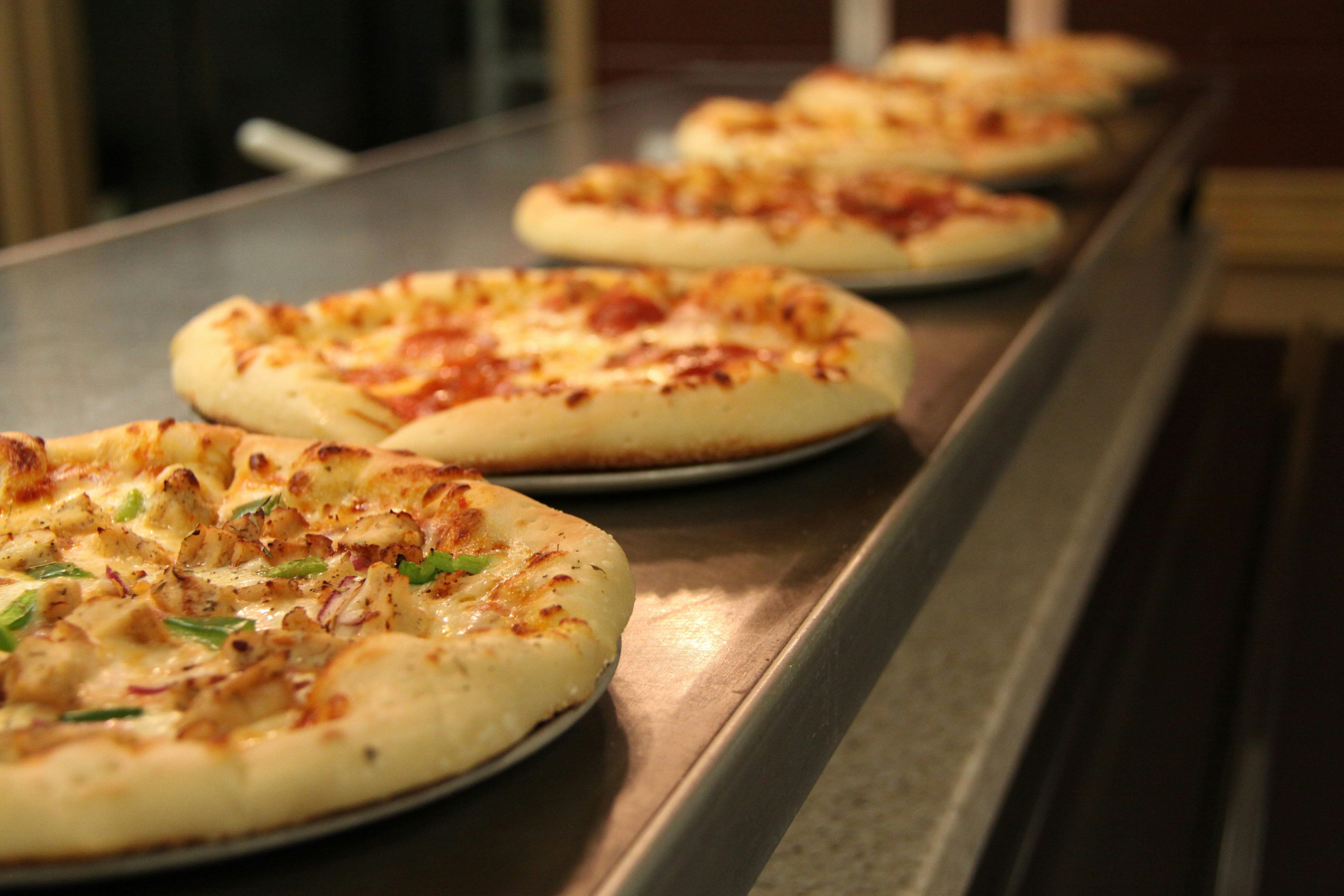
You've got a mini fridge, a microwave, and maybe a hot water kettle if you're lucky. The dining hall serves mystery meat and sad salad bars. Delivery is expensive. Ramen is cheap but turns you into a sodium bomb.
Here's how to eat reasonably well in a college dorm without a real kitchen, without spending your entire budget, and without gaining the freshman 15.
You're not going to eat perfectly in college. That's not the goal. The goal is avoiding the extremes--don't live on ramen, don't blow your budget on delivery, don't subsist on dining hall pizza. Good enough nutrition > perfect nutrition you can't sustain.
The Essential Dorm Kitchen Setup
You can't have a full kitchen, but these items turn your dorm into a functional mini-kitchen:
BLACK+DECKER Mini Fridge (1.7 cu ft)
Price: ~$100 | Most dorms allow mini fridges. Get one with a small freezer section. Fits under your desk or bed. Stores a week of basics: milk, yogurt, deli meat, cheese, fruit, leftovers. This is your foundation--without cold storage, your options are extremely limited.
View on AmazonMicrowave-Safe Food Storage Containers (10-pack)
Price: ~$20 | Meal prep on Sunday, reheat throughout week. BPA-free, dishwasher safe (if you have access to one). Stackable in mini fridge. These let you make bulk food at home or grab dining hall extras to save for later.
View on AmazonElectric Kettle (if allowed in dorm)
Price: ~$25 | For oatmeal, ramen upgrades, tea, instant rice. Boils water in 3 minutes. Some dorms ban hot plates but allow kettles. Check your dorm rules first. Expands your meal options significantly.
View on AmazonStock Your Mini Fridge (Weekly Shopping List)
Proteins:
- Deli turkey or chicken
- String cheese or cheese slices
- Greek yogurt
- Hard-boiled eggs (buy pre-cooked or make at home)
- Rotisserie chicken (eat within 3-4 days)
Carbs:
- Whole grain bread or tortillas
- Bagels
- Fruit (apples, bananas, oranges)
Produce:
- Baby carrots
- Cherry tomatoes
- Pre-washed spinach or lettuce
- Hummus
Beverages:
- Milk or milk alternative
- Water bottles
Shelf-Stable Essentials (Keep in Your Room)
- Peanut butter or almond butter
- Protein bars (not candy bars disguised as protein)
- Trail mix or mixed nuts
- Instant oatmeal packets
- Microwave rice cups
- Canned tuna or chicken
- Crackers or pretzels
- Popcorn (not butter-loaded microwave kind)
RXBAR Protein Bars (Box of 12)
Price: ~$20 | Real ingredients, 12g protein. Keeps in your backpack for weeks. Better than skipping meals between classes. Egg whites + dates + nuts--no garbage. Stock your desk drawer with these.
View on AmazonMeals You Can Actually Make in a Dorm
Breakfast Options
1. Microwave Oatmeal Bowl
- Instant oatmeal + milk + microwave 90 seconds
- Top with peanut butter + banana slices
- Takes 3 minutes, keeps you full until lunch
2. Greek Yogurt Parfait
- Greek yogurt + granola + berries
- No cooking needed
- 20g protein, actually tastes good
3. Bagel with Peanut Butter
- Toast in common room toaster or microwave
- Add peanut butter + banana
- Cheap, filling, takes 2 minutes
Lunch Options
1. Deli Meat Wrap
- Tortilla + turkey + cheese + lettuce + mustard
- Roll it up, eat it
- No cooking, portable
2. Upgraded Ramen
- Instant ramen (use less seasoning packet--too much sodium)
- Add: frozen vegetables, egg, hot sauce
- Microwave or use electric kettle
- Actually decent nutrition for $1
3. Microwave Rice Bowl
- Microwave rice cup (90 seconds)
- Top with: canned chicken or tuna, frozen vegetables, soy sauce
- Complete meal in under 5 minutes
Dinner Options
1. Rotisserie Chicken Plate
- Buy rotisserie chicken from grocery store ($5-7)
- Pair with: microwave rice, bagged salad, bread
- Meals for 2-3 days from one chicken
2. Quesadilla
- Tortilla + shredded cheese + microwave 30-45 seconds
- Add salsa, sour cream, leftover chicken
- Fast, cheap, satisfying
3. Loaded Baked Potato
- Microwave potato 5-7 minutes (poke holes first)
- Top with: cheese, Greek yogurt (sour cream substitute), bacon bits, broccoli
- Filling, complete meal under $3
Budget Strategy: $50/Week
Here's how to eat reasonably for ~$50/week if you're supplementing dining hall meals:
- Proteins: $15 (deli meat, eggs, Greek yogurt, rotisserie chicken)
- Produce: $10 (apples, bananas, carrots, bagged salad)
- Carbs: $8 (bread, tortillas, rice cups, oatmeal)
- Snacks: $10 (protein bars, trail mix, peanut butter)
- Extras: $7 (cheese, hummus, condiments)
Shop at Walmart, Aldi, or Trader Joe's--not the campus convenience store (2x more expensive).
Insulated Lunch Bag
Price: ~$25 | Pack lunch from dining hall or dorm fridge. Take to library, classes, wherever. Saves you from buying campus food. Fits ice pack to keep food cold. Pays for itself in 2 days of not buying overpriced campus sandwiches.
View on AmazonHow to Use the Dining Hall Strategically
If you have a meal plan, maximize it:
- Breakfast: Eggs, oatmeal, fruit. Skip pastries and sugary cereals.
- Lunch: Salad bar (actually load up vegetables), grilled protein, whole grains
- Dinner: Whatever balanced option they have, plus take fruit for snacks later
- Hack: Bring containers, grab extra fruit/hard-boiled eggs for your fridge (if allowed)
Dining halls are hit or miss, but there's usually something decent if you're strategic.
Supplements Worth Considering
Optimum Nutrition Whey Protein Powder
Price: ~$85 for 5lbs | Cheap protein when you're short on real food. Mix with milk or water. 24g protein per scoop. Lasts months. Better than skipping meals or living on carbs. Especially useful if you're working out or playing sports.
View on AmazonDaily Multivitamin
Price: ~$15 | Insurance policy for gaps in dorm nutrition. Not a replacement for food, but fills holes when you're eating less-than-ideal meals. One-a-day keeps it simple.
View on AmazonLate Night Study Snacks
Avoid the vending machine. Stock these instead:
- Popcorn (air-popped or light microwave)
- Apple + peanut butter
- String cheese + crackers
- Greek yogurt
- Trail mix (portion it--don't eat the whole bag)
- Protein shake
Protein + carb combos keep you full and focused longer than chips or candy.
What About Alcohol?
College = drinking for many students. Real talk on nutrition impact:
- Alcohol = empty calories (7 calories per gram, no nutrition)
- Inhibits muscle recovery if you work out
- Causes poor food choices (drunk munchies are real)
- Dehydrates you (affects focus and energy next day)
Not saying don't drink. Just know it impacts your nutrition and recovery. If you're going to drink, hydrate heavily and eat real food first.
The Freshman 15 Is Avoidable
It's not inevitable. It happens when:
- Unlimited dining hall access + no portion control
- Late night pizza/wings/delivery
- Liquid calories (soda, energy drinks, alcohol)
- Sedentary lifestyle (studying all day)
Avoid it by:
- Walk to classes (don't Uber everywhere)
- Use campus gym (it's free with tuition)
- Limit delivery to 1-2x per week max
- Drink mostly water
- Don't keep junk food in your room (if it's there, you'll eat it)
The Bottom Line
Eating well in college without a kitchen is possible. Stock your mini fridge with basics, keep protein bars and healthy snacks in your room, and be strategic about dining hall use. You don't need perfect nutrition--just good enough to keep your energy up, focus sharp, and avoid the extremes.
Prioritize protein, stay hydrated, and don't live on ramen. That's 80% of college nutrition right there.
Meal prep at home on breaks, freeze portions, bring back to school in a cooler. Two weeks of frozen meals = less stress, better nutrition, saves money.