The thing about picky eaters that nobody says out loud
My daughter Dylan went through a phase around age 4 where she would eat exactly five foods: plain pasta, strawberries, string cheese, bread, and yogurt. That was it. Her twin brother Beckham would eat almost anything, which made it worse because I kept thinking I was doing something wrong with her.
I wasn't. And if your kid is a picky eater, you're probably not doing anything wrong either. Research from the Journal of Child Psychology and Psychiatry (2015) found that 50-60% of picky eating behavior is genetic. It's temperament, not parenting failure. Your kid isn't being difficult on purpose — their brain is wired to be cautious about unfamiliar foods. From an evolutionary standpoint, that caution kept kids alive. It just makes dinner annoying in 2026.
What actually works isn't tricking them or hiding vegetables in brownies (they'll figure it out and trust you less). It's repeated, low-pressure exposure. A 2003 study in the journal Appetite found that children needed 10-15 exposures to a new food before accepting it. That means your kid rejecting broccoli nine times isn't a failure. It's the process working.
Upgrade what they already eat
The worst thing you can do with a picky eater is take away their safe foods and replace them with things they've never seen. That's how you get a kid who won't eat at all. Instead, make their familiar favorites slightly better.
- Instead of: Fruit gummies Try: Freeze-dried fruit or homemade fruit leather
- Instead of: Goldfish crackers Try: Whole grain crackers with cheese
- Instead of: Chips Try: Popcorn (air-popped with a little butter)
- Instead of: Cookies Try: Oatmeal energy bites with chocolate chips
Keep the familiar shape, texture, or flavor while boosting nutrition.
Presentation is half the battle (and I hate that it's true)
I used to roll my eyes at the "make food fun!" advice. Then I watched Dylan refuse a plain apple three days in a row and eat an entire one when I cut it into slices and put peanut butter in a little cup next to it. Same apple. Same kid. Different presentation.
- Cookie cutters: Use them on sandwiches, cheese, or watermelon
- Dipping stations: Yogurt, hummus, ranch, peanut butter -- everything tastes better with dip
- Skewers: Cheese cubes, grapes, and strawberries on a stick feel like a treat
- Muffin tins: Fill each cup with a different snack (cheerios, raisins, crackers, cheese)
Protein without the power struggle
One thing I see constantly in my practice: parents focus on getting kids to eat vegetables and completely overlook protein. But protein is what keeps a picky eater from melting down an hour after snack time. It slows digestion, stabilizes blood sugar, and means your kid isn't screaming for goldfish again at 4pm.
- Cheese sticks or cubes -- easy, portable, familiar
- Greek yogurt -- mix in honey or a few chocolate chips
- Peanut or almond butter -- with apple slices, crackers, or pretzels
- Hard-boiled eggs -- cut into fun shapes or sprinkle with "everything bagel" seasoning
- Hummus -- pair with pita, crackers, or even pretzels (don't force the veggies yet)
- Turkey or ham roll-ups -- cheese inside, no bread required
Gateway produce (start here, not with kale)
I once had a mom tell me she started her picky eater's vegetable journey with roasted Brussels sprouts because "they're so good!" They are good. For adults. For a 5-year-old who's never eaten a green vegetable, Brussels sprouts are a declaration of war. You have to start with the easy wins and build from there.
Easy-win fruits:
- Bananas (slice and freeze for a different texture)
- Strawberries (cut the tops off -- kids care about that)
- Grapes (freeze them for a fun twist)
- Applesauce pouches (if fresh fruit is rejected)
- Watermelon or cantaloupe (cut into cubes or use cookie cutters)
Easy-win veggies:
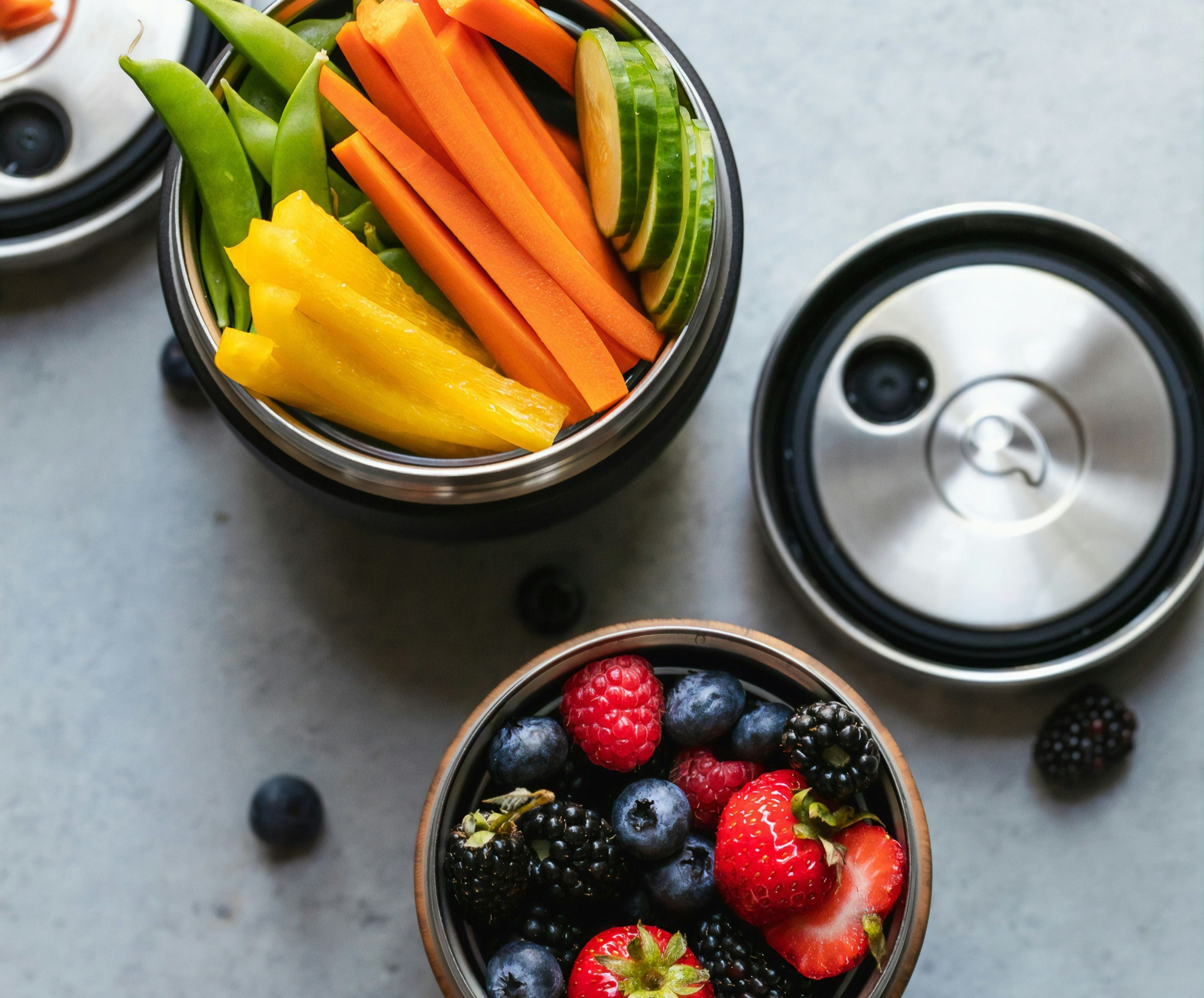
- Baby carrots with ranch
- Cucumber slices (mild, crunchy, not intimidating)
- Cherry or grape tomatoes (small, sweet, poppable)
- Snap peas (crunchy and slightly sweet)
- Corn on the cob (butter makes everything better)
When they only want sweet things
Kids are biologically wired to prefer sweet flavors — it's an evolutionary feature, not a defect. Breast milk is sweet. Fruit is sweet. Fighting this preference is pointless. Working with it is effective.
- Smoothies: Banana, berries, yogurt, and a handful of spinach (they won't taste it)
- Frozen yogurt bites: Drop spoonfuls of yogurt onto parchment, add fruit, freeze
- Apple nachos: Apple slices topped with peanut butter, mini chocolate chips, and granola
- Homemade "nice cream": Blend frozen bananas until creamy, add cocoa powder
- Trail mix: Let them pick 3-4 ingredients (cheerios, raisins, chocolate chips, pretzels)
Sunday prep saves Wednesday sanity
I've said this before and I'll keep saying it: the decision about what your kid eats happens when you prep, not when they're hungry. If the grab-and-go option is prepped fruit and cheese cubes, that's what they eat. If it's whatever's in the pantry, it's crackers. Both are fine sometimes, but the prep is what gives you options.
- Wash and portion fruit into containers
- Cut cheese into cubes, store in baggies
- Make a big batch of energy bites or muffins
- Pre-portion crackers, pretzels, or popcorn into small bags
- Boil a dozen eggs for the week
Having options ready reduces decision fatigue (for both of you).
Give them the illusion of control (it works)
This is the most effective trick in my entire toolkit, and it's almost embarrassingly simple. Instead of "here's your snack," try "do you want apple slices or grapes?" Both options are fine with you. But your kid just made a choice, and people eat what they chose.
Dylan went from refusing snacks I put in front of her to eating without complaint once I started giving her two options. "Cheese stick or yogurt?" "Crackers or banana?" She picks, she eats. I'm not sure why having two options is so different from having one, but it is.
A few tools that actually helped us
I don't usually recommend buying stuff to fix feeding problems — most of the time it's a behavior and expectation issue, not an equipment issue. But a few things genuinely made a difference for our picky eater:
- Bento-style snack boxes with compartments — foods not touching each other was apparently critical for Dylan
- Small dip containers with lids — everything tastes better when you dip it, and having the dip pre-portioned means it's grab-and-go
- Divided plates — again, the "foods touching" thing. If your kid has this, just get the divided plate and save yourself the argument
- Toothpicks — I am not kidding. Put cheese cubes and grapes on toothpicks and suddenly it's a "snack kebab" and they eat the whole thing
Helpful Snacking Tools
These make healthy snacks more fun and accessible for picky eaters:
- Bentgo Kids Snack Box (5 Compartments) - Makes snacks feel special
- OXO Tot Divided Plate Set - Keeps foods from touching
- Fun Cookie Cutters Shapes Set - Makes fruit and sandwiches more appealing
- Munchkin Snack Catcher Cups - Perfect for toddlers learning to self-feed
- Colorful Food Picks for Kids - Makes eating fun
We earn a small commission if you purchase through these links at no extra cost to you.
9. What to Do When Nothing Works
If your child refuses everything, take a breath. Picky eating is a phase for most kids, not a permanent personality trait.
- Relax the pressure: The more you push, the more they resist
- Offer the same food 10-15 times: It takes repeated exposure to accept new foods
- Eat together: Kids mimic what they see. If you snack on veggies, they're more likely to try them
- Involve them in prep: Washing fruit, stirring yogurt, or arranging a plate builds investment
- Keep meals and snacks separate from emotion: Avoid bribes, rewards, or battles
If extreme pickiness persists or you're concerned about nutrition, talk to your pediatrician.
The Takeaway
Feeding a picky eater doesn't mean giving in to goldfish crackers and applesauce pouches forever. It means starting where they are, making small upgrades, and offering new foods without pressure. Most kids grow out of extreme pickiness with time and exposure.
Dylan is 7 now and she eats about 15 different foods, which is up from 5. That progress took almost three years of patient, boring, repetitive exposure. There was no magical moment where she suddenly ate everything. She just slowly, grudgingly expanded her list. That's how picky eating resolves for most kids — not with a breakthrough, but with a thousand small, unremarkable exposures that eventually add up.
If your kid ate one new thing this month, you're doing better than you think.
Related Articles
Simple Snack Swaps Kids Won't Notice
Healthier alternatives that taste just as good—tested on real picky eaters.
Kids' FuelLunchbox Ideas Kids Will Actually Eat
Balanced lunch ideas that come home empty, not in the trash.
Baby BalanceMy Toddler Won't Eat: What Actually Works
Evidence-based strategies for picky toddlers without the power struggles.

Written by Erin Albert, RD
Registered Dietitian with 15+ years experience helping busy families find balance. Mom of twins who gets the real-life struggles of feeding a family.
Work With Erin