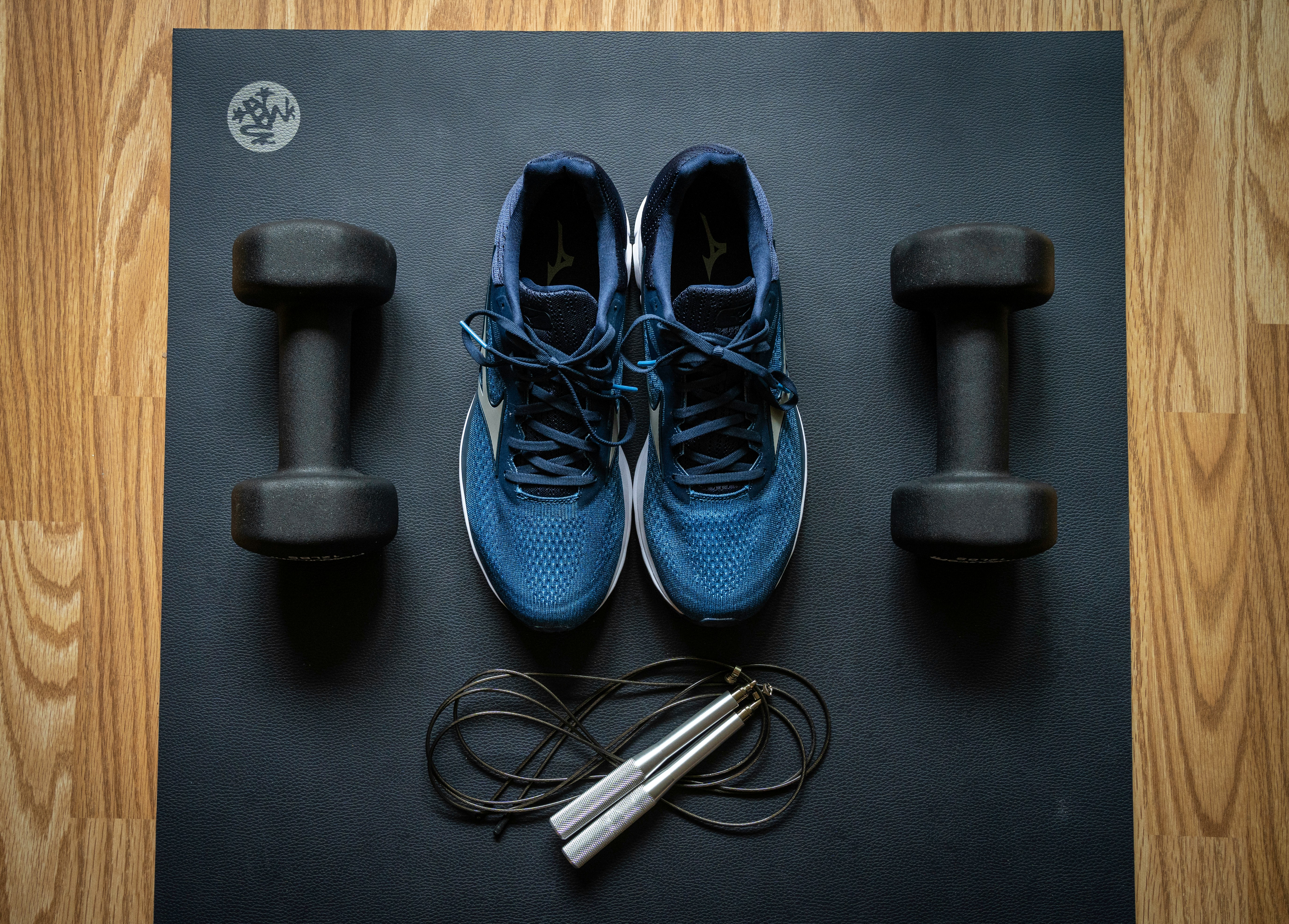
My husband Joe works out in our garage gym most mornings before Beckham and Dylan wake up. He's been doing this consistently for about two years now — 5:45 AM, no excuses, usually 30-45 minutes before the house erupts into the chaos of getting two seven-year-olds ready for school.
For the first year of this, his post-workout "nutrition plan" was a cup of coffee. That was it. He'd shower, join the morning madness, and not eat anything until lunch. Then he'd wonder why he was perpetually sore, why his afternoon energy was garbage, and why he wasn't seeing results despite training five days a week.
I finally convinced him — and it took more convincing than it should have, given that I'm literally a registered dietitian — to eat something after his workouts. Two weeks later he told me his recovery felt noticeably different. Less soreness going into the next session, better energy in the afternoon, and for the first time since we had kids, he actually started building visible muscle. The food didn't need to be complicated or expensive. It just had to exist.
What follows are the meals Joe actually eats, or that I put together for him in under 5 minutes before the school run takes over the kitchen. They're not photogenic. They hit the right macros at the right time, and that's what matters.
A 2013 position paper from the International Society of Sports Nutrition recommends consuming protein and carbohydrates within 2 hours of exercise for recovery. The "30-minute anabolic window" framing has been updated — the window is longer than originally thought — but eating sooner still produces better results than eating 4 hours later, especially when training fasted.
What your body actually needs after training
When you exercise, two things happen: you break down muscle fibers (which then rebuild stronger during recovery), and you deplete glycogen stores in your muscles and liver. Post-workout eating provides the raw materials to fix both problems. The targets are:
- 20-40g of protein to start muscle protein synthesis. Research published in the American Journal of Clinical Nutrition found that 20-25g of high-quality protein maximally stimulates muscle protein synthesis in most people — more than that doesn't hurt, but it doesn't add much benefit either.
- 30-60g of carbohydrates to replenish glycogen stores
- 16-20 oz of water to start rehydrating
That's the full formula. The specific foods don't matter nearly as much as hitting those numbers within a reasonable timeframe. A protein shake and a banana works as well as a carefully portioned chicken breast with sweet potato. Pick whatever you'll actually eat and keep eating consistently.
8 recovery meals that take 5 minutes or less
1. The protein shake (2 minutes)
Blend together:
- 1-2 scoops whey protein (25-50g protein)
- 1 banana (30g carbs, plus potassium for muscle function)
- 1 cup milk or water
- Handful of ice
- Optional: 1 tbsp peanut butter for extra calories on heavy training days
Liquid means faster absorption than a solid meal. This is Joe's default on mornings when he has a work call at 7 AM and needs to get out of the kitchen fast. He makes it while the coffee brews and drinks half in the shower.
BlenderBottle Pro Series Shaker
Mixes protein powder without clumps, leak-proof lid, dishwasher safe. The 28oz size is right for post-workout shakes. Joe has had the same one for almost two years.
View on Amazon2. Greek yogurt + granola bowl (1 minute)
- 1 cup full-fat Greek yogurt (20g protein)
- 1/2 cup granola (30g carbs)
- Handful of berries or sliced banana
- Drizzle of honey if you want more carbs after a longer session
Zero cooking. Grab it from the fridge, dump granola on top, done. Greek yogurt also has casein protein, which digests slowly and continues feeding muscle repair for hours — useful if your next meal is several hours away.
3. Deli meat wrap (3 minutes)
- Large whole wheat or regular tortilla
- 4-6 slices deli turkey or chicken (20-25g protein)
- 2 slices cheese (adds 10g protein)
- Handful of spinach or a few tomato slices
- Mustard, hummus, or whatever sounds good
The tortilla adds the carbs you need. The meat and cheese provide the protein. Easy to eat standing over the counter before the kids find you.
4. Chocolate milk + protein bar (30 seconds)
- 16oz chocolate milk (16g protein, 48g carbs)
- 1 protein bar (15-20g additional protein)
I know this sounds too simple. It works. A 2012 review in the European Journal of Clinical Nutrition found chocolate milk comparable to commercial recovery supplements across multiple recovery markers, including muscle glycogen resynthesis. The 4:1 carb-to-protein ratio is close to optimal. Add a bar when you want more protein or did a longer session.
RXBAR Protein Bars
12g protein per bar, ingredients you can actually read (egg whites, dates, cashews or almonds depending on flavor). No artificial flavors or preservatives. Chocolate sea salt is the best flavor by a significant margin. Keep a box in your gym bag so you always have backup.
View on Amazon5. Cottage cheese + crackers (2 minutes)
- 1 cup cottage cheese (25g protein)
- Whole grain crackers, enough for 20g carbs (check the label)
- Everything bagel seasoning, or just salt and pepper
- Optional: sliced cucumber or cherry tomatoes on the side
Cottage cheese is an underrated protein source. It's primarily casein protein, which digests slowly and provides sustained amino acid availability — different from whey, which spikes fast. Good choice for a post-workout meal that needs to carry you through to a late lunch.
6. Protein oatmeal (3 minutes)
- 1 packet instant oatmeal or 1/2 cup rolled oats (30g carbs)
- 1 scoop protein powder, stirred in after microwaving (25g protein)
- Splash of milk to get the consistency right
- Cinnamon, berries, or a sliced banana on top
The key is adding the protein powder after cooking, not before. Microwaving protein powder directly makes it weird and clumpy. Stir it in at the end while the oats are still warm and it blends in cleanly.
7. Rotisserie chicken + microwaved sweet potato (4 minutes)
- Half a rotisserie chicken breast, pulled apart (30-35g protein)
- 1 medium sweet potato, microwaved for 4 minutes (30g carbs)
- Salt, pepper, hot sauce if you want it
I buy a rotisserie chicken at Publix almost every Sunday. It lasts us most of the week for post-workout meals, kids' lunches, and whatever else needs quick protein. Joe microwaves a sweet potato in the time it takes him to shower, and the chicken is already ready. This is the most satisfying option on the list — an actual meal instead of a snack.
8. Tuna packet + rice cakes (2 minutes)
- 1 tuna pouch (20g protein, no can needed, no draining)
- 4-6 rice cakes (20-30g carbs)
- Avocado mash or hummus spread on the rice cakes first
- Hot sauce, lemon, or whatever adds flavor
Tuna pouches are an underappreciated convenience food. No can opener, nothing to drain, sealed until you open them. Keep a few in your gym bag for mornings when you forget to prep anything at home.
StarKist Tuna Creations Pouches
Pre-seasoned, 17g protein per pouch, no draining. Hickory smoked and lemon pepper are both solid. Shelf-stable, so they live in your gym bag or desk drawer without issue.
View on AmazonThe gear that makes this less annoying
The main reason dads skip post-workout food is friction — having to find something, make something, or deal with a pile of dishes at 6:30 AM. These make it less of an obstacle:
Contigo Autoseal Water Bottle (24oz)
Leak-proof, one-handed operation, fits in most car cup holders. Fill it before your workout and drink it during and after. Rehydration is part of recovery and most guys ignore it.
View on AmazonSistema Meal Prep Containers (5-pack)
Prep 3-4 post-workout meals on Sunday — cottage cheese portions, pre-made wraps, overnight oat cups. Grab one from the fridge after training. Microwave-safe and stackable. Takes the decision out of the equation entirely.
View on AmazonMy honest take on supplements
When Joe started training seriously, he asked me to recommend a supplement stack. I bought him two things: whey protein powder and creatine monohydrate. A year later, those are still the only two he takes.
Whey protein is convenient. It's a fast, reliable way to get 25g of protein when you don't have time to cook. That's all it is — it's not magic, it's powdered dairy protein, and it works the same way chicken or Greek yogurt work. The convenience factor is the whole point.
Creatine monohydrate is one of the most studied supplements in sports nutrition history. A 2017 position stand from the ISSN called it "the most effective ergogenic nutritional supplement currently available" for increasing strength and lean body mass. Five grams daily, mixed into water or a shake, every single day regardless of whether you trained. That's it. Joe noticed a difference in strength output within about three weeks.
What I tell Joe to skip, and what I tell my male clients:
- Commercial recovery drinks that cost $4-6 each. You can replicate what they do with a protein shake and a banana for under a dollar.
- BCAAs, if you're already eating 120-150g of protein per day. The branched-chain amino acids in BCAAs are already present in your protein foods. Supplementing them separately adds cost but not much benefit.
- Pre-workout stimulant blends — most are just caffeine with some added amino acids and a marketing budget. Your morning coffee does most of the same thing.
- Anything with "proprietary blend" on the label, which means you don't know what's in it or how much of each ingredient is actually there.
Optimum Nutrition Gold Standard Whey Protein
24g protein per scoop, mixes easily in a shaker or blender, available in a lot of flavors (double rich chocolate is the most reliable). This is the protein powder most coaches and RDs default to recommending, and with good reason — it's been around long enough that the quality is consistent.
View on AmazonWhat actually changed for Joe
Once Joe started eating after workouts consistently — usually a protein shake with a banana, sometimes Greek yogurt with granola when he had an extra minute — three things changed noticeably. His afternoon energy improved enough that he stopped needing a second coffee by 2 PM. His soreness between training sessions dropped. And about four months in, he started seeing actual muscle definition for the first time since his early thirties.
None of this required a nutrition degree or a complicated protocol. He picks from the same 3-4 options depending on what's in the fridge, keeps the ingredients stocked, and eats within about 45 minutes of finishing his session. That's the entire system. Pick two or three things from this list that match what your fridge usually has. Buy those ingredients. Eat them after you train. That's genuinely all there is to it.
Keep a protein bar and a tuna packet in your gym bag or car at all times. On days when the blender is broken, the fridge is empty, or you're just not going to make it happen — you still have something. Joe has left his shake at home more than a dozen times. The emergency bar in his car has covered for him every time.
Related Articles

Written by Erin Albert, RD
Registered Dietitian with 15+ years experience helping busy families find balance. Mom of twins who gets the real-life struggles of feeding a family.
Work With Erin