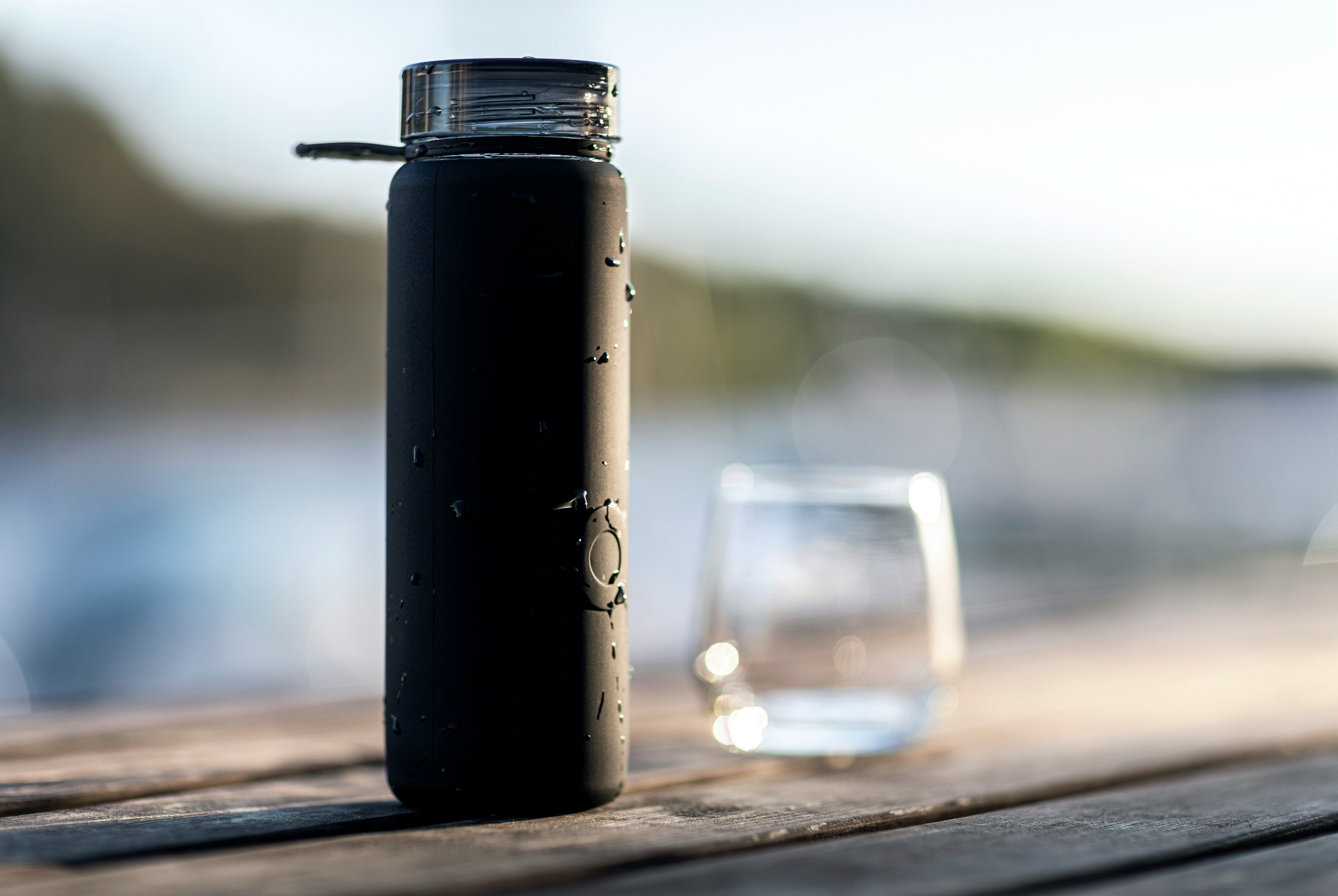
I work with a lot of teen athletes and their parents, and hydration is the topic where I see the most confusion and the most money wasted. Kids show up to practice with a 64-ounce jug of water they chugged in the car, or they're drinking Gatorade like it's water because they think the electrolytes make them faster. Neither approach is great.
Here's what the research actually says about teen athlete hydration, minus the sports drink marketing.
How much water your teen actually needs
The "8 glasses a day" rule has been repeated so many times that people think it's science. It's not. It was a rough estimate from a 1945 Food and Nutrition Board report, and it didn't account for athletes at all. A 2004 review in the Journal of the American College of Nutrition found that water needs vary dramatically based on body size, activity, and environment.
For teen athletes, a better starting point is body weight.
Body weight (lbs) / 2 = ounces of water per day
Examples:
130 lbs teen = 65 oz water/day (about 8 cups)
160 lbs teen = 80 oz water/day (about 10 cups)
180 lbs teen = 90 oz water/day (about 11 cups)
Add more for:
Every hour of practice/training: +16-20 oz
Hot/humid weather: +16-32 oz
Intense workouts: +20-32 oz
Real talk: Most teen athletes are chronically under-hydrated. If you're only drinking when you're thirsty during practice, you're already behind.
The 24-Hour Hydration Strategy
Hydration isn't just about what you drink during practice. It's what you do all day.
Morning (Before School)
- Drink 16-20 oz within 30 minutes of waking up
- Your body lost water overnight--rehydrate first thing
- If you have morning practice, add another 8-16 oz
Throughout the School Day
- Bring a water bottle to class (seriously, carry it everywhere)
- Aim for 32-40 oz during school hours
- If your pee is dark yellow, drink more
Pre-Practice (2-3 Hours Before)
- Drink 16-20 oz about 2 hours before practice
- This gives your body time to absorb it and pee out excess
- Don't chug water 10 minutes before--you'll just slosh around
During Practice/Games
- Drink 7-10 oz every 15-20 minutes
- Don't wait until you're thirsty--thirst = already dehydrated
- Workouts under 60 min = water is fine
- Workouts over 60 min or intense heat = add electrolytes
Post-Practice
- Drink 20-24 oz within 30 minutes of finishing
- For every pound lost during practice, drink 16-20 oz
- Include electrolytes if you sweated heavily
The sports drink question (spoiler: mostly no)
I get this question in every teen athlete consultation. Parents are spending $30/week on Gatorade because their kid "needs electrolytes for soccer." Let me save you some money.
Water is enough if:
- Your workout is under 60 minutes
- You're not in extreme heat
- You're eating regular meals with salt
Add electrolytes if:
- Workout is over 60-90 minutes
- You're in hot, humid conditions
- You're a heavy sweater (salt stains on clothes/hat)
- Multiple practices in one day (two-a-days)
Skip the sugar bombs: Most sports drinks (Gatorade, Powerade) have 34g of sugar per bottle. That's 8+ teaspoons. You don't need that much sugar unless you're doing endurance sports (2+ hour events).
Better Hydration Options
Hydro Flask Wide Mouth Water Bottle (32oz)
Keeps water cold for hours, fits in most backpack pockets, wide mouth makes it easy to chug. Durable enough to survive being dropped 100 times. Get the 32oz size--you'll drink more if the bottle holds more.
View on AmazonLMNT Electrolyte Drink Mix (No Sugar)
1000mg sodium, 200mg potassium, 60mg magnesium--zero sugar, zero calories. Mix one packet in 16-32oz water for practice, games, or hot days. Citrus salt or watermelon salt flavors are solid. Way better than sugar-loaded sports drinks.
View on AmazonNuun Sport Electrolyte Tablets
Drop one tablet in water, it dissolves in minutes. Light flavor, 1g sugar per serving (vs. 34g in Gatorade). Portable--keep a tube in your bag. Good for practice, games, or long training days.
View on AmazonSigns You're Dehydrated
Don't wait for obvious thirst. Watch for these:
- Dark yellow pee -- should be light yellow or clear
- Dry mouth or lips -- drink before this happens
- Headache -- often dehydration, not hunger
- Fatigue during practice -- lack of water = lack of energy
- Dizziness -- serious sign, drink immediately
- Muscle cramps -- electrolyte imbalance, add salt
If you're checking off multiple symptoms, you're behind on hydration. Drink 16-24 oz immediately.
What About Cramping?
Muscle cramps during or after practice = usually electrolyte imbalance, not just dehydration. You're losing sodium, potassium, and magnesium through sweat.
Fix it:
- Add salt to your meals (or eat salty snacks)
- Use electrolyte drinks during long practices
- Eat potassium-rich foods: bananas, potatoes, yogurt
- Consider a magnesium supplement if cramping persists
The routine that actually sticks
I've found that teens won't follow complicated hydration plans. But they will follow a short checklist if you make it dead simple:
- Carry a water bottle everywhere -- If it's not with you, you won't drink
- Drink 16-20 oz when you wake up -- Start the day hydrated
- Sip throughout the day -- Don't wait until practice
- Drink every 15-20 min during practice -- Set a timer if needed
- Check your pee color -- Light yellow = good
- Add electrolytes for workouts over 60 min -- Skip the sugar bombs
Gear That Helps You Stay Hydrated
CamelBak Eddy+ Water Bottle (25oz)
Bite valve makes it easy to drink without unscrewing a cap. Leak-proof, dishwasher safe, fits in car cup holders. Great for keeping in your backpack or locker.
View on AmazonGatorade Squeeze Water Bottles (6-pack)
The classic team bottles. Easy to squeeze and drink while running. BPA-free, dishwasher safe. Keep a few in your bag--one for water, one for electrolyte mix. Cheap and reliable.
View on AmazonWhat I actually tell teen athletes in my office
When a teen sits in front of me and says they're tired during practice or cramping in the fourth quarter, the first thing I ask is "how much water did you drink today?" Nine times out of ten, the answer is "I don't know" or "I had some at lunch." That's the whole problem.
You don't need fancy supplements or expensive sports drinks. You need a water bottle you actually carry, the habit of sipping throughout the day, and electrolytes for the genuinely hard sessions. A 2019 study in the British Journal of Sports Medicine found that even 2% dehydration (about 3 pounds for a 150-pound athlete) decreases endurance by up to 10% and impairs cognitive function during games. That's the difference between a good fourth quarter and a bad one, and it's entirely preventable.
Related Articles

Written by Erin Albert, RD
Registered Dietitian with 15+ years experience helping busy families find balance. Mom of twins who gets the real-life struggles of feeding a family.
Work With Erin